
Trustees and executors ask me a version of the same question at nearly every first meeting: is this a good time to sell? It is a fair question and usually the wrong one, because an estate’s timing is set by the instrument, by the beneficiaries, and by the court far more than by the market. But the market is not irrelevant, and a clear read on it makes the decisions that are discretionary — preparation, pricing, how long to hold out — considerably easier.
So I asked Jeff of Rancho Capital, an independent mortgage broker I work with on foothill transactions, for his read. His answer covered three things: rates, supply, and buyer behaviour.
Rates: better than a year ago, and steadier than the headlines
The average 30-year fixed rate at the time of our conversation was, in Jeff’s words, “somewhere around 6.5% today,” with the range running “from low sixes to 6.6% depending on borrower qualifications.” He cited Mortgage News Daily as his reference.
The more useful part was the comparison. That level, he noted, “is still about 30 basis points lower than we were a year ago” — and this despite genuine volatility over the period from international events. His summary: “we’re still in better shape rate-wise than we were this time a year ago.”
Two things follow from that for a seller. The first is that the rate environment has been improving quietly, which is not the impression most people take from the news. The second is the spread — a rate that varies from the low sixes to 6.6% depending on borrower qualifications means that two buyers making the same offer on the same house may face materially different payments. That is worth remembering when you are weighing competing offers on their strength rather than their headline number.
Supply: the more important number
The part of Jeff’s answer with the most direct bearing on a foothill estate was about inventory, and he was candid that it has surprised him. Inventory “continues to be a riddle for a lot of folks, including me,” he said, and it is running below where you would expect for the season.
Southern California in particular has seen “less of a bounceback in inventory post-COVID,” and that trend has persisted. His figure: California’s inventory has at no point returned to where it stood before the pandemic, and as of our conversation the state was “still about 11% below the number of listings we had in the same month in 2019.”
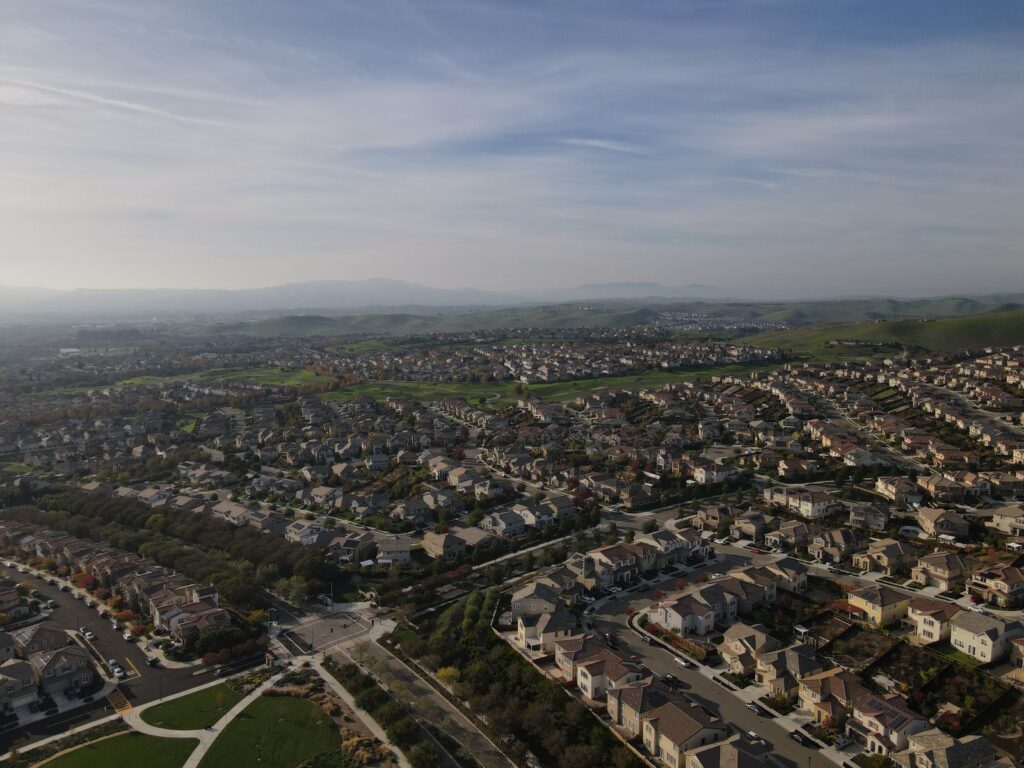
Eleven percent fewer listings than the same month six years earlier is not a rounding error. It is a structurally thinner market, and in the foothill corridor — where the housing stock is finite, the lots do not change, and turnover is generational rather than cyclical — the local effect is more pronounced than the state figure suggests. A well-prepared home in Pasadena, San Marino, La Cañada Flintridge, Arcadia, Sierra Madre, or Altadena is not competing against very many alternatives.
Buyers: more active, and more particular
The third element was demand. Mortgage application volume has “improved over a year ago,” Jeff said, though he described it as “still a little bit sluggish.” His characterisation of the buyers behind those applications is the sentence I would underline: “buyers are more discerning. They’re a little bit pickier.”
That is the whole preparation argument in five words. In a market where borrowing is expensive and choices are few, buyers do not become less demanding — they become more so, because each purchase carries a payment they have thought hard about. Deferred maintenance, dated systems, and a presentation that leaves the work to the buyer’s imagination cost more in this environment than they did when money was cheap.
For an estate property, this is the practical point of the whole market read. A long-held foothill home frequently needs measured preparation before it meets a discerning buyer well — and a trustee has to weigh that spending against the duty to the beneficiaries, without overreaching. That balance is one of the harder judgments in a trust sale, and it is easier to make when you know what the buyer on the other side is actually like.
A note on where the rate comes from
One related point from a separate conversation with Jeff is worth adding, because it affects the buyer’s side of your transaction.
An independent broker, he explained, is not “captive to any particular lender, any particular underwriting department, any particular set of programs,” which allows them to shop across lenders and structure a loan around a specific borrower. On whether that produces better pricing, he was measured but clear: because brokers typically run with smaller margins and less overhead, “consumers generally win when they’re working with an independent mortgage broker.”
He is describing his own business, so weigh it accordingly. But the underlying point holds regardless of who makes it: a buyer whose financing has been shopped rather than accepted is a more reliable buyer, and reliability is worth real money to an estate on a timetable. It is a fair thing to ask about when you are evaluating an offer.
What to do with all this
If you are administering an estate, the market read does not usually change whether you sell. It changes how.
Thin supply argues for confidence in pricing and against panicked reductions. Discerning buyers argue for real preparation rather than a quick clean-out. A wide rate spread argues for examining the financing behind an offer, not only its face value. And none of it argues for trying to time a market that a trust document and a group of beneficiaries have already largely timed for you.
The orderly path for selling a property held in trust covers the sequence itself; this is the weather report you run it in.
If you would like a current read on a specific foothill property — what it would bring, what preparation would actually pay for itself, and how the timing interacts with an administration — you can reach me through the contact page, or read more about the corridor under Communities. Advisors referring these matters may prefer the For Advisors page.
Figures above reflect the market at the time of the interview and will move; they are a snapshot, not a forecast. Jeff of Rancho Capital is an independent mortgage broker. Nothing here is lending, legal, or tax advice.